

If you scroll through social media for more than five minutes, you’ll likely find a dozen different answers to the same question:
“How often should I be lifting weights?”
Some influencers insist you need to be in the gym six days a week, pushing to exhaustion.
Others promise results with just ten minutes a day. It is incredibly easy to feel overwhelmed, and as a Registered Health and Exercise Practitioner, I see this confusion firsthand every single day.
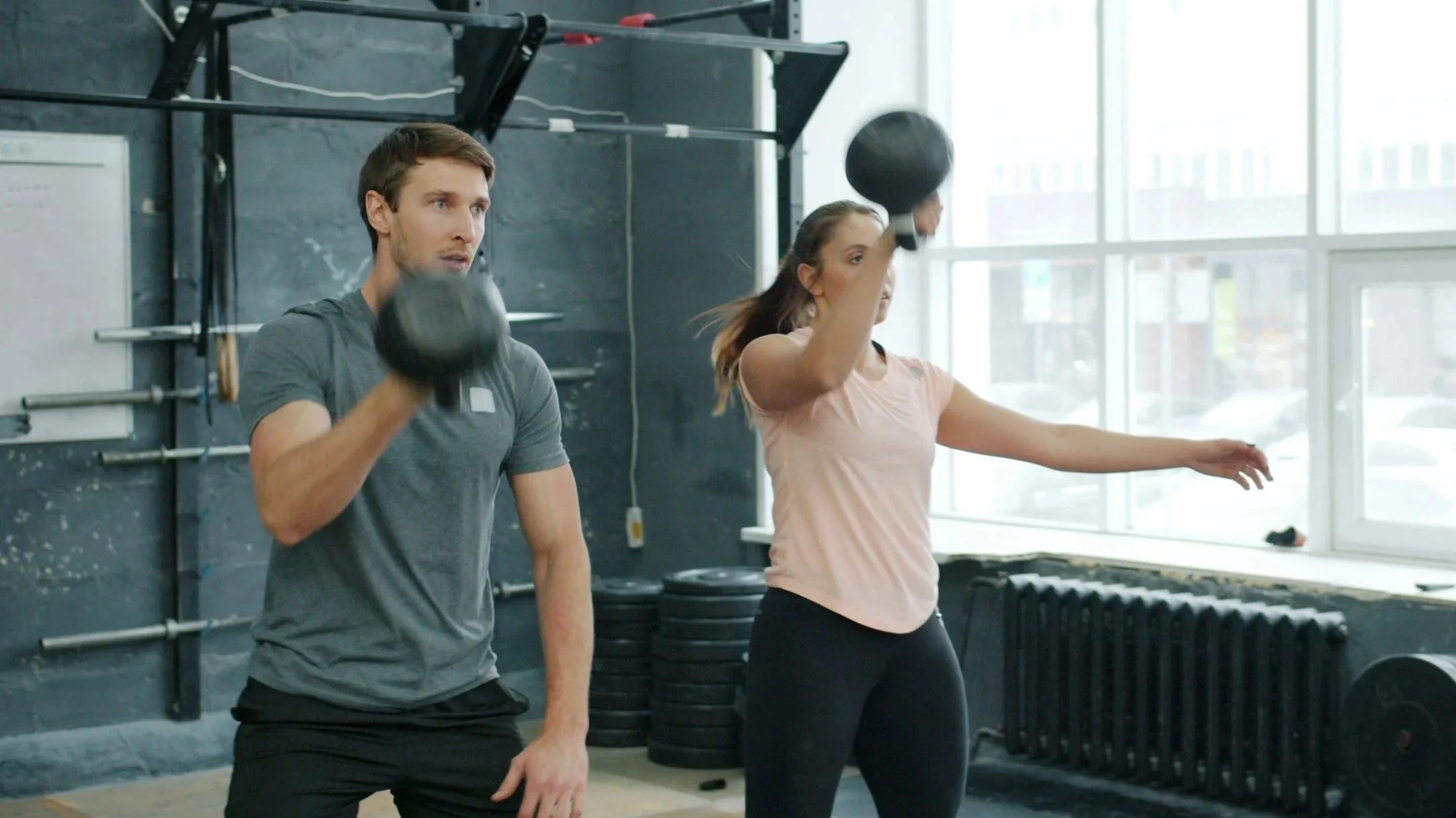
When women come to me, whether they are stepping onto a yoga mat, setting up for Pilates, or picking up dumbbells for the first time, they often feel like they are already falling behind.
But here is the candid truth: your fitness routine shouldn't be another source of stress. It should be a tool that helps you feel confident in your body, improves your healthspan, and seamlessly fits into your actual life.
So, let’s cut through the noise. How many days a week should a woman really do strength training?
The "Goldilocks" Zone: 2 to 3 Days a Week
For the vast majority of women, two to three days of dedicated strength training per week is the sweet spot.
Why? Because it is highly effective, and more importantly, it is sustainable.
At Ageing Gracefully, my approach is rooted in consistency and balance. You do not need to live in the weight room to build lean muscle, protect your bone density, and enhance your overall well-being.
Here is what that balance actually looks like:
It respects your recovery: Muscle isn't built while you are lifting, it’s built while you are resting 2 to 3 days allows your nervous system to recover, especially when we are balancing those days with other movement modalities.
It blends with a holistic lifestyle: This frequency leaves plenty of room for a Pilates session to focus on core stability, a yoga class for mobility and breathwork, or simply a long walk with a friend.
It prevents burnout: A program only works if you actually do it. Three focused, moderate-intensity sessions will always yield better long-term results than a gruelling six-day program you abandon after three weeks.
Just last month, I started working with a client who felt completely burnt out from trying to lift five days a week while managing her career. We scaled her back to two full-body strength sessions, paired with her regular Pilates practice. Not only did her strength increase, but her energy and mood transformed profoundly as well!
Strength Training as a Mindset Practice
We often talk about strength training purely in physical terms: Reps, sets, and hitting all muscle groups. But in my experience, the real transformation happens in the mind.
Lifting a weight that felt impossible two weeks ago does something profound to your emotional well-being. It shifts the narrative from "what my body looks like" to "what my body is capable of." When we integrate physical training with this mindset shift, we create sustainable, long-term change.
Strength training shouldn't be a punishment for what you ate or a rigid metric of your self-worth. It is simply a way of communicating to your body that you want it to stay strong, resilient, and capable for decades to come.
Making It Work for You
If you are ready to build a routine that actually fits into your everyday life, here is how I recommend starting:
Start Where You Are: If you currently lift zero days a week, aiming for three days might be too much. Start with one to two days.
Focus on Full-Body: When you only train a few times a week, full-body sessions give you the most bang for your buck. Think squats, lunges, pushing, and pulling.
Mix Your Modalities: Remember that your Pilates and yoga practices are highly complementary to lifting. Pilates builds the deep core strength needed for heavy lifts, and yoga provides the mobility to perform them safely.
You don't need to be perfect… You just need to be reasonably consistent. Find your balance, honour your recovery, and let your strength practice be something that adds to your life rather than takes away from it.
Want to learn more about our holistic approach to fitness, Pilates, and longevity?
Read more about my story and training philosophy here.